- Home
- All Products
- Apple
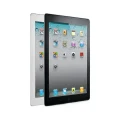
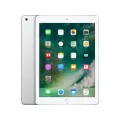
- Apple iPad Pro 11 (2022)
Apple iPad Pro 11 (2022)


-
Battery: Li-Po 7538 mAh (28.65 Wh)
-
RAM: 8GB, 8GB, 8GB, 16GB, 16GB
-
Storage: 128GB, 256GB, 512GB, 1TB, 2TB
-
Display: Liquid Retina IPS LCD, 11.0 inches
-
Camera: Rear 12 MP+10 MP, and Front 12 MP
-
OS: iPadOS 16.1, upgradable to iPadOS 17.2
Full Specifications
Price
| Official | 110000 BDT 8GB/128GB Approx. |
General
| Model | Apple iPad Pro 11 (2022) |
| Announced | 2022, October 18 |
| Released | 2022, October 26 |
| Status | Available |
Design
| Dimensions | 247.6 x 178.5 x 5.9 mm (9.75 x 7.03 x 0.23 in) |
| Weight | 466 g (Wi-Fi), 470 g (5G) (1.03 lb) |
| SIM SIM (Subscriber Identity Module) is a small card that contains mobile network subscriber's account information. This allows the phone using the card to attach to a mobile network. The SIM card is most commonly associated with GSM and UMTS mobile networks. Moving a SIM card from one phone to another allows a subscriber to switch mobile phones without having to contact their mobile network carrier. SIM cards can also be used by a phone to store limited amounts of data, such as phone numbers and text messages. |
Nano-SIM and eSIM Stylus support (Bluetooth integration; magnetic) |
| Colors |
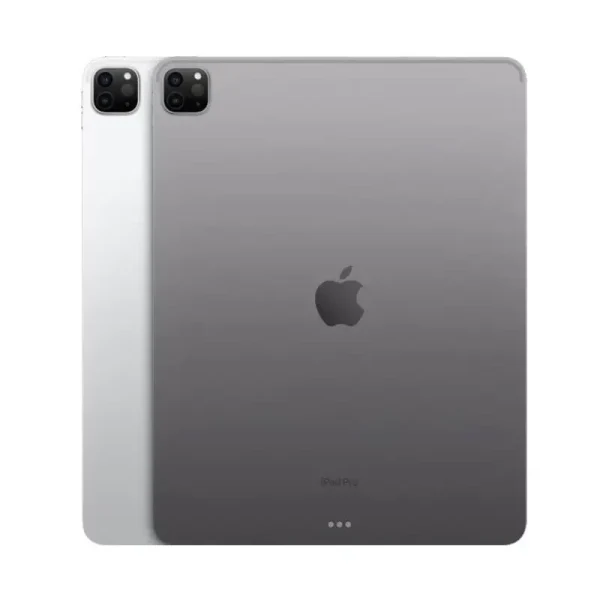
Silver, Space Gray |
Display Specification
| Display Type Display Technology => A number of display technologies and types used in mobile phones => TFT (Thin Film Transistor), IPS (In-Place Switching), OLED (Organic Light Emitting Diode), AMOLED (Active-Matrix Organic Light-Emitting Diode), Super AMOLED (an even advanced version of AMOLED), Resistive Touchscreen (Resistive touchscreens contain two layer of conductive material with a very small gap between them which acts as a resistance), Capacitive Touchsceen (Capacitive touchscreen technology consists of a layer of glass coated with a transparent conductor) | Liquid Retina IPS LCD |
| Size | 11.0 inches, 366.5 cm2 |
| Resolution | 1668 x 2388 pixels |
| Refresh Rate | 120Hz |
| Pixel Density Pixel Density (PPI) is refers to the concentration of pixels on a particular display, measured in pixels per inch (ppi). Pixel density is calculated by dividing the diagonal pixel resolution of a display by its diagonal size, higher pixel density better display quality. | 265 ppi density |
| Display Protection Display Protection => Gorilla Glass is a special alkali-aluminosilicate glass shield with exceptional damage resistance that helps protect mobile displays from scratches, drops, and bumps of everyday use, It is always better to go for a smartphone with Gorilla Glass for that added protection and peace of mind. | Scratch-resistant glass, oleophobic coating |
| Features |
HDR10, Dolby Vision, 600 nits (typ) 82.9% screen-to-body ratio |
Platform
| Operating System OS => Every computer system run on a base software called Operating System (OS). Operating System controls all basic operations of the computer (such as smartphone, PDAs, tablet computers and other handheld devices). The Operating System allows the user to install and run third party applications (apps), apps are used to add new functionality to the device. | iPadOS 16.1, upgradable to iPadOS 17.2 |
| Chipset Chipset is a group of integrated circuits designed to perform one or a more dedicated functions, often with real time computing constraints, Popular smartphones are equipped with more advanced embedded chipsets that can do many different tasks depending on their programming. | Apple M2 |
| CPU CPU (Central Processing Unit) mostly known as processors, CPU processes instructions in order to carry out certain functions that make your device operate properly. Processors are often described as the brain of computers, smartphones and tablets, Smartphones and tablets rely on processors to carry out their every task, Processors are an incredibly important factor in selecting any type of computing device, including your smartphone. | Octa-core |
| GPU GPU (Graphics Processing Unit) is a single-chip processor designed to rapidly manipulate and alter memory to accelerate the creation of images in a frame buffer intended for output to a display, This includes things such as lighting effects, object transformations, and 3D motion. | Apple GPU (10-core graphics) |
Main Camera
| Camera Setup | Dual |
| Resolution |
12 MP, f/1.8, (wide), 1/3", 1.22µm, dual pixel PDAF 10 MP, f/2.4, 125˚ (ultrawide) TOF 3D LiDAR scanner (depth) |
| Features |
Quad-LED dual-tone flash, HDR |
| Video | 4K@24/25/30/60fps, 1080p@25/30/60/120/240fps; gyro-EIS, ProRes, Cinematic mode (4K, 1080p) |
Selfie Camera
| Camera Setup | Single |
| Resolution |
12 MP, f/2.4, 122˚ (ultrawide) |
| Video | 1080p@25/30/60fps, gyro-EIS, HDR |
| Features |
Face detection, HDR, panorama |
Network & Connectivity
| Technology | GSM / HSPA / LTE / 5G |
| Speed | HSPA, LTE-A, 5G |
| Wi-fi Wi-Fi is a popular wireless networking technology using radio waves to provide high-speed network connections that allows devices to communicate without cords or cables, Wi-Fi is increasingly becoming the preferred mode of internet connectivity all over the world. | Wi-Fi 802.11 a/b/g/n/ac/6e, dual-band, hotspot |
| Bluetooth Bluetooth is a wireless communications technology for exchanging data between mobile phones, headsets, computers and other network devices over short distances without wires, Bluetooth technology was primarily designed to support simple wireless networking of personal consumer devices. | 5.3, A2DP, LE, EDR |
| NFC NFC (Near field communication) is a set of standards for smartphones and similar devices to establish peer-to-peer radio communications with each other by touching them together or bringing them into proximity, usually no more than a few inches. | No |
| Positioning |
GPS, GLONASS, GALILEO, QZSS (Wi‑Fi + Cellular model only) |
| FM Radio | Yes |
| USB | USB Type-C 4 (Thunderbolt 4), DisplayPort, magnetic connector |
| 2G Network |
GSM 850 / 900 / 1800 / 1900 |
| 3G Network |
HSDPA 850 / 900 / 1700(AWS) / 1900 / 2100 |
| 4G Network |
1, 2, 3, 4, 5, 7, 8, 11, 12, 13, 14, 17, 18, 19, 20, 21, 25, 26, 28, 29, 30, 32, 34, 38, 39, 40, 41, 42, 46, 48, 66, 71 - A2435, A2761 1, 2, 3, 4, 5, 7, 8, 12, 13, 14, 17, 18, 19, 20, 25, 26, 28, 29, 30, 32, 34, 38, 39, 40, 41, 42, 46, 48, 66, 71 - A2762 |
| 5G Network |
1, 2, 3, 5, 7, 8, 12, 14, 20, 25, 26, 28, 29, 30, 38, 40, 41, 48, 66, 70, 71, 77, 78, 79, 258, 260, 261 SA/NSA/Sub6/mmWave - A2435 1, 2, 3, 5, 7, 8, 12, 14, 20, 25, 26, 28, 29, 30, 38, 40, 41, 48, 66, 70, 71, 77, 78, 79 SA/NSA/Sub6 - A2761, A2762 |
Battery
| Battery Type Battery Type => Cell phones run on various kinds of batteries depending on the manufacturer, phone size or shape and features. There are basically four types of cell phone batteries => Lithium Polymer, Lithium Ion, Nickel Metal Hydride and Nickel Cadmium. | Li-Poly (Lithium Polymer) |
| Capacity Battery Capacity is a measure (typically in Amp-hr) of the charge stored by the battery, and is determined by the mass of active material contained in the battery. The battery capacity represents the maximum amount of energy that can be extracted from the battery under certain conditions. | 7538 mAh (28.65 Wh) |
| Removable | No |
| Charging | - |
| Wireless Charging Wireless Charging (Inductive Charging) uses an electromagnetic field to transfer energy between two objects. This is usually done with a charging station. Energy is sent through an inductive coupling to an electrical device, which can then use that energy to charge batteries or run the device. | No |
Multimedia
| Loudspeaker | Yes, with stereo speakers (4 speakers) |
| Audio Jack | No |
Storage
| Card Slot Memory Card Slot is a special slot for inserting a memory card. Memory cards allow you to expand the phone's built-in memory, A memory card (sometimes called a flash memory card or a storage card) is a small storage medium used to store data such as text, pictures, audio, and video, for use on small, portable or remote computing devices such as mobile phones, mp3 players, digital cameras. | No |
| Internal Storage Internal Storage is a data storage space (flash memory) mostly used in smartphones, tablets and other electronic devices where operating system, apps, music, photos, videos, files and other user data Is stored. |
128GB 8GB RAM, 256GB 8GB RAM, 512GB 8GB RAM, 1TB 16GB RAM, 2TB 16GB RAM |
Sensors
| Fingerprint | No |
| Other Sensors | Face ID, accelerometer, gyro, barometer |
About the Apple iPad Pro 11 (2022)
The Apple iPad Pro 11 (2022) is one of the most powerful tablets in the market, designed for professionals, students, and creators who demand performance and portability. Released on October 26, 2022, this iPad features a sleek 5.9mm thin aluminum body, weighing just 466g (Wi-Fi) or 470g (5G). It runs on iPadOS 16.1, upgradeable to iPadOS 26, and is powered by the advanced Apple M2 chipset, delivering desktop-class performance in a portable form factor.
The 11-inch Liquid Retina IPS LCD supports a 120Hz refresh rate, HDR10, and Dolby Vision, making it ideal for watching movies, gaming, and creative work. With storage options up to 2TB and RAM up to 16GB, this device is built for multitasking and heavy professional workloads.
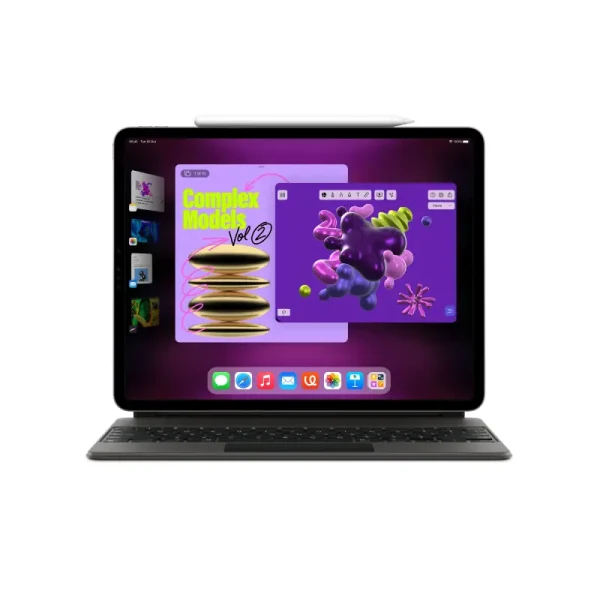
The camera system includes a 12MP wide + 10MP ultrawide + LiDAR scanner, while the 12MP ultrawide front camera supports Center Stage, perfect for video calls. The iPad Pro 11 (2022) also supports Apple Pencil (2nd Gen) and Magic Keyboard, turning it into a versatile laptop replacement.
Main Key Features
- Display: 11-inch Liquid Retina, 120Hz, HDR10, Dolby Vision
- Processor: Apple M2 with 8-core CPU & 10-core GPU
- Cameras: Dual rear 12MP + 10MP + LiDAR, 12MP ultrawide front
- Battery: 7538 mAh with long-lasting performance
- Storage & RAM: Up to 2TB storage, 8GB/16GB RAM
- OS: iPadOS 16.1, upgradable to iPadOS 26
- Connectivity: Wi-Fi 6E, optional 5G, USB-C (Thunderbolt 3)
- Accessories: Apple Pencil 2 & Magic Keyboard support
Pros & Cons
Pros:
- Ultra-fast Apple M2 chip with desktop-class power
- Stunning 11-inch display with 120Hz refresh rate
- Lightweight and ultra-slim design
- Excellent cameras with a LiDAR scanner
- 2TB storage option and up to 16GB RAM
- Strong ecosystem with Apple Pencil & Magic Keyboard
Cons:
- Very expensive compared to other tablets
- No 3.5mm headphone jack
- No microSD card slot
- iPadOS is still limited compared to macOS
Why Choose This iPad?
You should choose the Apple iPad Pro 11 (2022) if you want a portable yet powerful device that can replace a laptop for productivity, entertainment, and creativity. It’s ideal for designers, content creators, students, and professionals who need smooth performance, an excellent display, and strong multitasking capabilities.
Opinion
The iPad Pro 11 (2022) is not just a tablet—it’s a professional tool that combines the best of power and portability. With the Apple M2 chip, stunning display, and support for advanced accessories, it is one of the best premium tablets in 2022 and beyond. However, the high price and software limitations make it more suitable for power users than casual users.
See Another Model:
- Apple iPhone 17
- Apple iPhone Air
- Apple iPhone 17 Pro
- Apple iPhone 17 Pro Max
- Apple iPhone 16 Pro Max
- Apple iPhone 16 Pro
FAQs about Apple iPad Pro 11 (2022)
Q: Does the iPad Pro 11 (2022) support 5G?
A: Yes, the cellular models support 5G connectivity.
Q: Can I use an Apple Pencil with this iPad?
A: Yes, it supports the Apple Pencil (2nd Gen).
Q: What is the maximum storage available?
A: It comes with up to 2TB storage and 16GB RAM.
Q: How good is the battery life?
A: The 7538 mAh battery offers excellent all-day performance.
Q: Is this iPad good for gaming?
A: Absolutely. With the Apple M2 chip and 120Hz display, it handles high-end gaming smoothly.
Give Your Review
Disclaimer Note
You can write your own disclaimer from APS Settings -> General -> Disclaimer Note.