- Home
- All Products
- Samsung
- Samsung Galaxy Z Fold Special
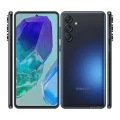
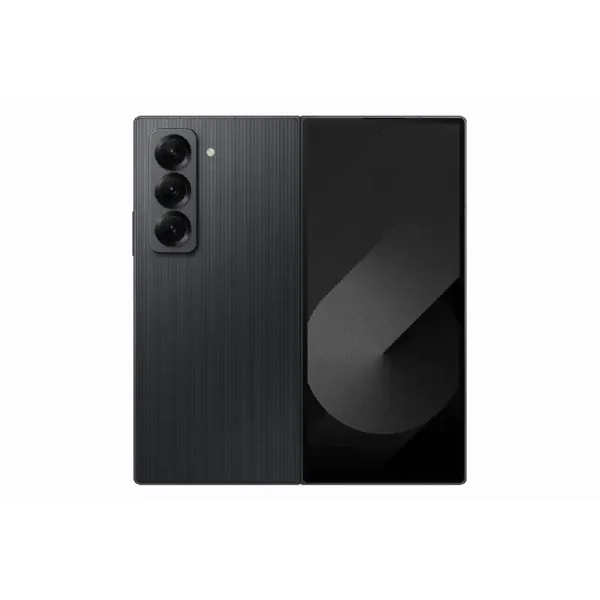
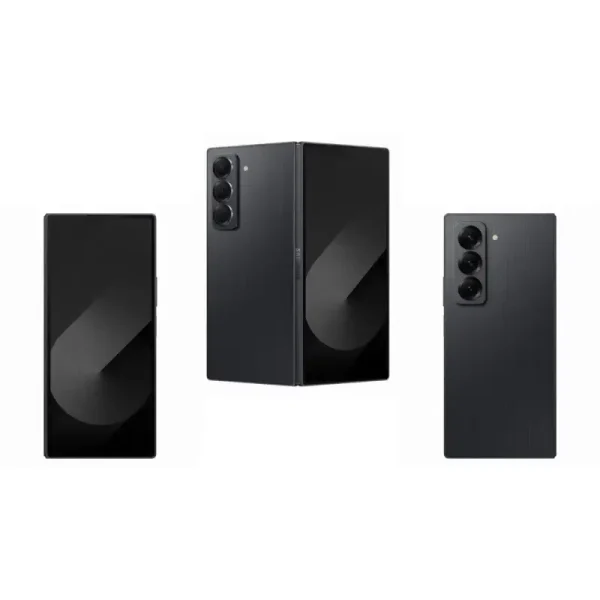
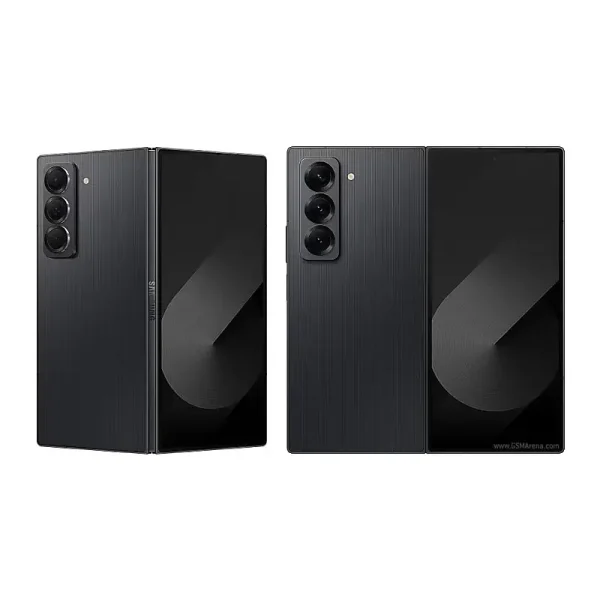
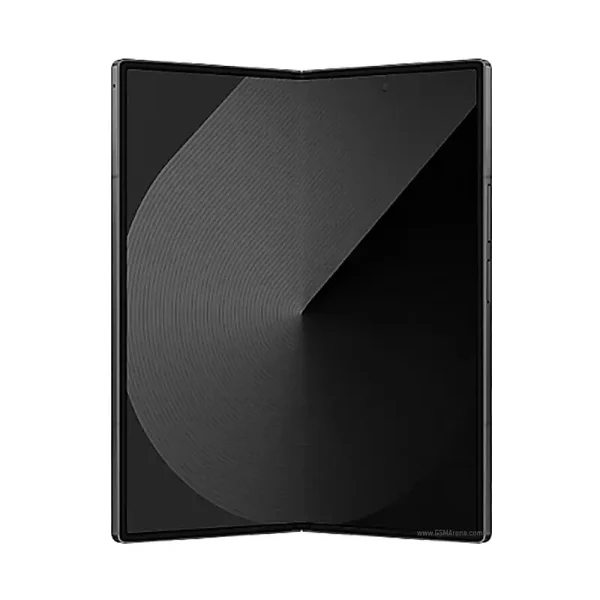
Samsung Galaxy Z Fold Special
-
Battery: 4400 mAh
-
RAM: 16GB
-
Storage: 512GB
-
Display: Foldable Dynamic LTPO AMOLED 2X, 8.0 inches,
-
Camera: Rear 200MP+ 10MP+ 12MP and Front 4MP +10MP
-
OS: Android 14, up to 7 major Android upgrades, One UI 6.1.1
Full Specifications
General
| Model | Samsung Galaxy Z Fold Special |
| Announced | 2024, October 21 |
| Released | 2024, October 24 |
| Status | Available |
Price
| Official | 249999 BDT 16GB/512GB Approx. |
| Used | 39999-229999 BDT/512GB (2026 update) |
Design
| Dimensions The Dimensions section shows the phone’s physical size in Height × Length × Width (H × L × W) format, along with its volume, when available. For flip phones, the dimensions are measured with the flip closed. This information helps users understand the phone’s overall size, thickness, portability, and how comfortably it may fit in the hand or pocket. | Unfolded: 157.9 x 142.6 x 4.9 mm Folded: 157.9 x 72.8 x 10.6 mm |
| Weight The Weight section shows the total weight of the phone, usually measured in grams (g). It helps users understand how light or heavy the device feels during everyday use and carrying. For phones with different designs or configurations, the listed weight may vary depending on the materials, battery, and other hardware components. | 236 g (8.32 oz) |
| SIM The SIM section provides details about the phone’s supported SIM configuration, including SIM type, number of SIM slots, and eSIM support, where available. It may specify options such as Nano-SIM, Single SIM, Dual SIM, or Hybrid Dual SIM. This information helps users understand how the phone handles multiple mobile numbers and which SIM format is required. For Dual SIM devices, the section may also indicate whether both SIMs can remain active simultaneously and support mobile network connectivity. |
Nano-SIM + eSIM + eSIM (max 2 at a time) IP48 dust and water resistant (dust > 1mm; immersible up to 1.5m for 30 min) Armor aluminum frame |
| Colors | Black |
Display Specification
| Display Type The Display Type section identifies the technology used for the phone’s screen, such as IPS LCD, AMOLED, OLED, or LTPO AMOLED. It helps users understand the display’s overall visual quality, including color reproduction, contrast, brightness, viewing experience, and power efficiency. The display type is an important specification when comparing smartphone screens. | Foldable Dynamic LTPO AMOLED 2X, 120Hz, HDR10+, 2600 nits (peak), Cover display: Dynamic LTPO AMOLED 2X, 120Hz, 2600 nits (peak), Corning Gorilla Glass Victus 2 |
| Size The Display Size section shows the diagonal size of the phone’s screen, usually measured in inches. It helps users understand the available viewing area and overall screen experience. A larger display is generally better for watching videos, gaming, and browsing, while a smaller display can offer easier handling and portability. | 8.0 inches, 205.3 cm2, Cover display: 6.5 inches, |
| Resolution |
1968 x 2184 pixels Ultra Flexible Glass (UFG) Cover display: 1080 x 2520 pixels |
| Refresh Rate | 120Hz, |
| Pixel Density Pixel Density (PPI) is refers to the concentration of pixels on a particular display, measured in pixels per inch (ppi). Pixel density is calculated by dividing the diagonal pixel resolution of a display by its diagonal size, higher pixel density better display quality. | 367 ppi density |
Storage
| Card Slot The Storage Card Slot section indicates whether the phone supports an external memory card, such as a microSD card, for expanding storage. It shows users whether they can add extra space for apps, photos, videos, and other files beyond the phone’s built-in storage. If the phone does not support a memory card, it will be listed as Not Supported. | No |
| Internal Storage The Internal Storage section shows the built-in storage capacity available on the phone, usually measured in GB. It determines how much space is available for apps, photos, videos, documents, and other files. Phones may come with different storage options, such as 128GB, 256GB, or 512GB, depending on the model and variant. |
512GB 16GB RAM UFS 4.0 |
Main Camera
| Camera Setup | Triple |
| Resolution |
200 MP, f/1.8, (wide), PDAF, OIS 10 MP, f/2.4, 66mm (telephoto), 1.0µm, PDAF, OIS, 3x optical zoom 12 MP, f/2.2, 123˚, 12mm (ultrawide), 1.12µm, AF |
| Features | LED flash, HDR, panorama |
| Video | 8K@30fps, 4K@60fps, 1080p@60/120/240fps (gyro-EIS), 720p@960fps (gyro-EIS), HDR10+ |
Selfie Camera
| Camera Setup | Single |
| Resolution |
4 MP, f/1.8, 26mm (wide), 2.0µm Cover camera: 10 MP, f/2.2, 24mm (wide), 1/3", 1.22µm |
| Video | 4K@30/60fps, 1080p@30/60fps, gyro-EIS |
| Features | HDR |
Platform
| Operating System The Operating System (OS) section shows the software platform that powers the phone and manages its hardware, apps, and system features. It typically includes the OS name and version, such as Android or iOS, and may also mention the manufacturer’s custom user interface. This information helps users understand the phone’s software experience, features, compatibility, and available updates. | Android 14, up to 7 major Android upgrades, One UI 6.1.1 |
| Chipset Chipset is a group of integrated circuits designed to perform one or a more dedicated functions, often with real time computing constraints, Popular smartphones are equipped with more advanced embedded chipsets that can do many different tasks depending on their programming. | Qualcomm SM8650-AC Snapdragon 8 Gen 3 (4 nm) |
| CPU CPU (Central Processing Unit) mostly known as processors, CPU processes instructions in order to carry out certain functions that make your device operate properly. Processors are often described as the brain of computers, smartphones and tablets, Smartphones and tablets rely on processors to carry out their every task, Processors are an incredibly important factor in selecting any type of computing device, including your smartphone. | 8-core (1x3.39GHz Cortex-X4 & 3x3.1GHz Cortex-A720 & 2x2.9GHz Cortex-A720 & 2x2.2GHz Cortex-A520) |
| GPU GPU (Graphics Processing Unit) is a single-chip processor designed to rapidly manipulate and alter memory to accelerate the creation of images in a frame buffer intended for output to a display, This includes things such as lighting effects, object transformations, and 3D motion. | Adreno 750 (1 GHz) |
Battery
| Battery Type The Battery Type section identifies the technology and design of the phone’s built-in battery, such as Li-Ion (Lithium-Ion) or Li-Po (Lithium-Polymer). It helps users understand the type of battery used to power the device and provides a basic overview of its battery technology. | Li-Ion (Lithium Ion) |
| Capacity The Battery Capacity section shows the amount of electrical charge the phone’s battery can store, usually measured in mAh (milliampere-hours). A higher capacity generally provides more energy for everyday use, although actual battery life also depends on the display, processor, software, network usage, and other hardware components. | 4400 mAh |
| Removable | Yes |
| Charging |
25W wired, QC2.0, 50% in 30 min 15W wireless 4.5W reverse wireless |
| Wireless Charging Wireless Charging (Inductive Charging) uses an electromagnetic field to transfer energy between two objects. This is usually done with a charging station. Energy is sent through an inductive coupling to an electrical device, which can then use that energy to charge batteries or run the device. | Yes |
Multimedia
| Loudspeaker The Loudspeaker section indicates the type and configuration of the phone’s built-in speakers, such as single or stereo speakers. It helps users understand the device’s audio output for calls, music, videos, gaming, and other multimedia activities. Some phones may also include additional audio features for a better listening experience. | Yes, with stereo speakers |
| Audio Jack The Audio Jack section indicates whether the phone includes a dedicated 3.5mm headphone jack for connecting wired headphones, earphones, or external audio devices. If the phone does not have a traditional audio jack, users may need USB Type-C headphones or an adapter for wired audio. The specification helps users quickly check the phone’s compatibility with their preferred audio accessories. |
No 32-bit/384kHz audio Tuned by AKG |
Sensors
| Fingerprint | Yes (side-mounted) |
| Other Sensors | Accelerometer, gyro, proximity, compass, barometer, Samsung DeX (desktop experience support) Ultra Wideband (UWB) support Circle to Search |
Network & Connectivity
| Technology | GSM / HSPA / LTE / 5G |
| Speed | HSPA, LTE (CA), 5G |
| Wi-fi The Wi-Fi section shows the wireless networking technologies and standards supported by the phone for connecting to the internet and other compatible devices. It may include standards such as Wi-Fi 4, Wi-Fi 5, Wi-Fi 6, Wi-Fi 6E, or Wi-Fi 7, along with features like dual-band, tri-band, Wi-Fi Direct, and hotspot support, where available. This information helps users understand the phone’s wireless connectivity, network compatibility, speed capabilities, and connection features. | Wi-Fi 802.11 a/b/g/n/ac/6e/7, tri-band, Wi-Fi Direct |
| Bluetooth The Bluetooth section shows the wireless communication technology and version supported by the phone, such as Bluetooth 5.0, 5.1, 5.2, 5.3, or 5.4. It enables the phone to connect wirelessly with headphones, speakers, smartwatches, keyboards, cars, and other compatible devices. Where available, this section may also mention features such as A2DP, LE, aptX, or other Bluetooth audio and connectivity technologies. | 5.3, A2DP, LE |
| NFC The NFC (Near Field Communication) section indicates whether the phone supports short-range wireless communication between compatible devices. NFC can be used for contactless payments, quick device pairing, data sharing, access cards, and other NFC-enabled services, depending on the phone and region. This specification helps users check whether the device supports convenient tap-to-connect and contactless features. | Yes |
| Positioning | GPS, GALILEO, GLONASS, BDS, QZSS |
| FM Radio | No |
| Infrared port | No |
| USB | USB Type-C 3.2, OTG |
| 2G Network The 2G Network section shows whether the phone supports second-generation mobile networks, including GSM, GPRS, and EDGE technologies. It provides basic connectivity for voice calls, SMS, and limited mobile data services where 2G networks are available. | GSM 850 / 900 / 1800 / 1900 |
| 3G Network The 3G Network section indicates the phone’s compatibility with third-generation mobile networks, such as UMTS, HSPA, and HSPA+. 3G provides faster mobile data than 2G and supports services such as web browsing, video calling, and multimedia streaming. | HSDPA 850 / 900 / 1700(AWS) / 1900 / 2100 |
| 4G Network The 4G Network section shows whether the phone supports fourth-generation mobile networks, primarily LTE technology. 4G offers faster mobile internet speeds, lower latency, and improved performance for browsing, streaming, online gaming, and other data-intensive activities. | 1, 2, 3, 4, 5, 7, 8, 12, 13, 17, 18, 19, 20, 25, 26, 28, 38, 39, 40, 41, 66 |
| 5G Network The 5G Network section indicates the phone’s compatibility with fifth-generation mobile networks. 5G can provide higher data speeds, lower latency, and improved network capacity, supporting faster downloads, high-quality streaming, cloud services, and other demanding mobile applications. | 1, 2, 3, 5, 7, 8, 12, 20, 25, 26, 28, 38, 40, 41, 66, 77, 78 SA/NSA/Sub6 |
PROS
- Large Foldable Display
- Premium Slim Design
- Powerful Flagship Performance
- Advanced Camera System
- Enhanced Multitasking Features
- Premium Build Quality
CONS
- Very Expensive
- No Built-in S Pen Slot
- Foldable Screen Durability
- Heavy Compared to Regular Phones
About Samsung Galaxy Z Fold Special:
The Samsung Galaxy Z Fold Special, also known as the Samsung Galaxy Z Fold SE, is a cutting-edge foldable smartphone designed to combine innovation and high-end performance. Released on October 24, 2024, this special edition of the Galaxy Z Fold series features a premium foldable display and powerful hardware. With an 8.0-inch Dynamic LTPO AMOLED 2X foldable screen offering a 120Hz refresh rate, the Z Fold Special stands out for its ultra-flexibility and vibrant display quality. Equipped with the powerful Snapdragon 8 Gen 3 chipset and a staggering 16GB of RAM, this phone is designed for multitasking, gaming, and content creation.
The Z Fold Special also boasts a triple-camera system led by a 200MP main sensor, ensuring superb photography and video capabilities. In addition to its striking design, the phone is protected by Gorilla Glass Victus 2 and features a durable Armor aluminum frame. With a 4400mAh battery, 25W wired and 15W wireless charging, and a sleek, premium design, the Samsung Galaxy Z Fold Special is one of the most advanced foldable phones available in 2024.
Main Key Features:
- Display: Foldable Dynamic LTPO AMOLED 2X, 120Hz, HDR10+, 2600 nits (peak), 8.0 inches, 1968 x 2184 pixels (~367 ppi density), 6.5 inches, 1080 x 2520 pixels, Ultra Flexible Glass (UFG)
- Processor: Qualcomm Snapdragon 8 Gen 3 (4nm), Octa-core (1×3.39GHz Cortex-X4 & 3×3.1GHz Cortex-A720 & 2×2.9GHz Cortex-A720 & 2×2.2GHz Cortex-A520)
- GPU: Adreno 750 (1 GHz)
- RAM: 16GB
- Storage: 512GB (No microSD support)
- Cameras: Rear: 200MP (wide), 10MP (telephoto, 3x zoom), 12MP (ultrawide), Front: 4MP (main), 10MP (cover)
- Battery: 4400mAh, Charging: 25W wired, 15W wireless, 4.5W reverse wireless
- Operating System: Android 14 with One UI 6.1.1
- Connectivity: 5G, Wi-Fi 6e, Bluetooth 5.3, NFC
- Build: Armor aluminum frame, Gorilla Glass Victus 2
- Additional Features: Samsung DeX (Desktop Experience), Ultra-Wideband (UWB) support, IP48 dust and water resistance (up to 1.5m for 30 minutes), Stereo speakers, tuned by AKG
- Colors: Black
Opinion:
The Samsung Galaxy Z Fold Special is an exceptional piece of technology that pushes the boundaries of what foldable smartphones can do. With its enormous 8.0-inch display, powerful Snapdragon 8 Gen 3 chipset, and an excellent 200MP camera, this device is a multitasker’s dream. However, its premium price and bulk may not be for everyone. It’s a phone designed for those who want the best in display quality, performance, and photography, and are willing to pay top dollar for a cutting-edge device. If you’re a tech enthusiast looking for the latest in mobile innovation, the Z Fold Special is undoubtedly a device to consider.
See Others, Model:
FAQs about Samsung Galaxy Z Fold Special:
Q: Does the Samsung Galaxy Z Fold Special support 5G?
A: Yes, it supports 5G connectivity, including both SA/NSA/Sub6 and mmWave bands.
Q: How much RAM does the Samsung Galaxy Z Fold Special have?
A: The device comes with 16GB of RAM, which ensures smooth multitasking and performance.
Q: What is the camera quality like on the Samsung Galaxy Z Fold Special?
A: The rear camera setup includes a 200MP main sensor, a 10MP telephoto camera with 3x optical zoom, and a 12MP ultrawide camera, offering top-tier photography and 8K video recording.
Q: Does the Samsung Galaxy Z Fold Special have expandable storage?
A: No, it does not support microSD card expansion, with a fixed internal storage of 512GB.
Q: What is the battery capacity of the Samsung Galaxy Z Fold Special?
A: The Galaxy Z Fold Special has a 4400mAh battery with 25W wired charging, 15W wireless charging, and 4.5W reverse wireless charging.
Q: Is the Galaxy Z Fold Special water-resistant?
A: Yes, it has an IP48 rating, offering dust resistance and water resistance up to 1.5m for 30 minutes, although it is not fully waterproof.
Q: Does the Galaxy Z Fold Special have a headphone jack?
A: No, the 3.5mm headphone jack is not present on this device.
Q: Can I use Samsung DeX on the Galaxy Z Fold Special?
A: Yes, the Galaxy Z Fold Special supports Samsung DeX, enabling you to use the phone as a desktop experience when connected to a monitor.
Give Your Review
Disclaimer Note
You can write your own disclaimer from APS Settings -> General -> Disclaimer Note.