- Home
- All Products
- Xiaomi
- Xiaomi Redmi Note 8 2021
Xiaomi Redmi Note 8 2021
-
Battery: 4000 mAh
-
RAM: 3GB,4GB
-
Storage: 64GB,128GB
-
Display: IPS LCD, 6.3 inches
-
Camera: Rear 48 MP+8 MP+2 MP +2 MP, and Front 13 MP
-
OS: Android 11, MIUI 12.5
Full Specifications
General
| Model | Xiaomi Redmi Note 8 2021 |
| Announced | 2021, May 25 |
| Released | 2021, May 27 |
| Status | Available |
Price
| Official | 17999 BDT 4GB/64GB Approx. |
| Unofficial | 15500 BDT 4GB/64GB Approx. |
Design
| Dimensions The Dimensions section shows the phone’s physical size in Height × Length × Width (H × L × W) format, along with its volume, when available. For flip phones, the dimensions are measured with the flip closed. This information helps users understand the phone’s overall size, thickness, portability, and how comfortably it may fit in the hand or pocket. | 158.3 x 75.3 x 8.4 mm (6.23 x 2.96 x 0.33 in) |
| Weight The Weight section shows the total weight of the phone, usually measured in grams (g). It helps users understand how light or heavy the device feels during everyday use and carrying. For phones with different designs or configurations, the listed weight may vary depending on the materials, battery, and other hardware components. | 190 g (6.70 oz) |
| SIM The SIM section provides details about the phone’s supported SIM configuration, including SIM type, number of SIM slots, and eSIM support, where available. It may specify options such as Nano-SIM, Single SIM, Dual SIM, or Hybrid Dual SIM. This information helps users understand how the phone handles multiple mobile numbers and which SIM format is required. For Dual SIM devices, the section may also indicate whether both SIMs can remain active simultaneously and support mobile network connectivity. | Dual SIM (Nano-SIM, dual stand-by) |
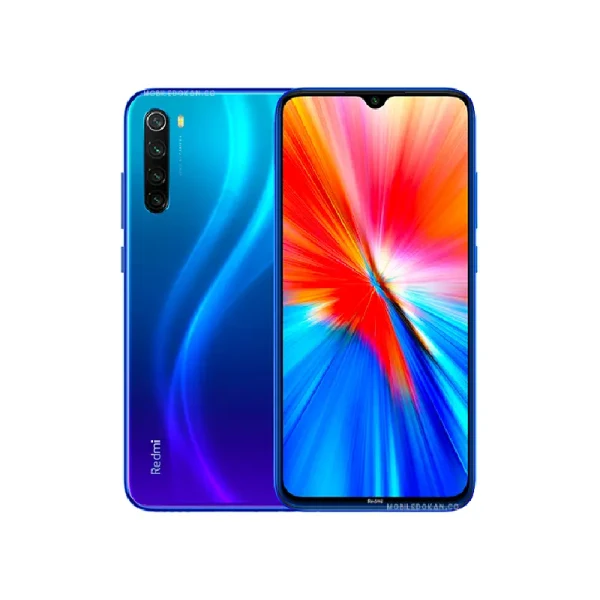
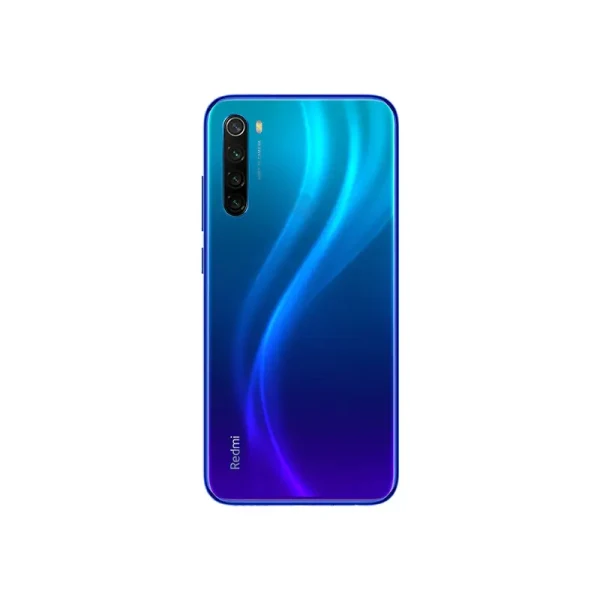
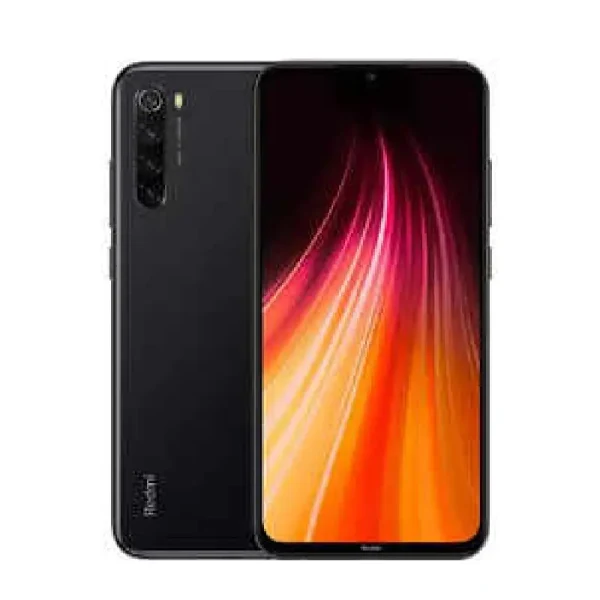
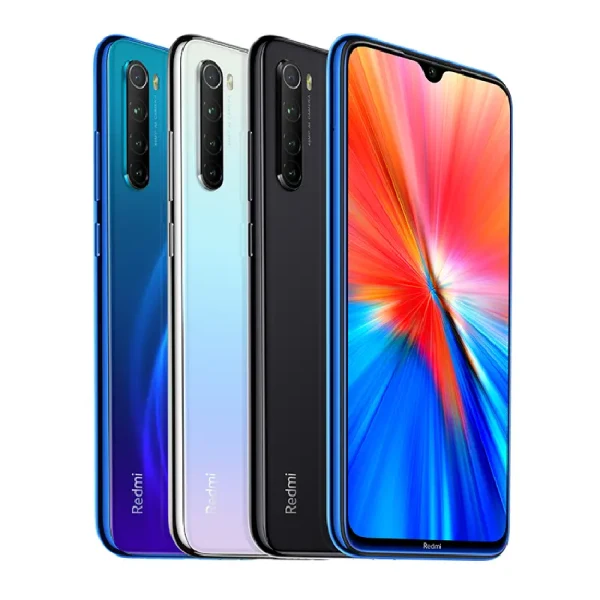
| Colors | Neptune Blue, Moonlight White, Space Black |
Display Specification
| Display Type The Display Type section identifies the technology used for the phone’s screen, such as IPS LCD, AMOLED, OLED, or LTPO AMOLED. It helps users understand the display’s overall visual quality, including color reproduction, contrast, brightness, viewing experience, and power efficiency. The display type is an important specification when comparing smartphone screens. | IPS LCD, 500 nits (typ) |
| Size The Display Size section shows the diagonal size of the phone’s screen, usually measured in inches. It helps users understand the available viewing area and overall screen experience. A larger display is generally better for watching videos, gaming, and browsing, while a smaller display can offer easier handling and portability. | 6.3 inches, 97.4 cm2 |
| Resolution | 1080 x 2340 pixels, 19.5:9 ratio |
| Pixel Density Pixel Density (PPI) is refers to the concentration of pixels on a particular display, measured in pixels per inch (ppi). Pixel density is calculated by dividing the diagonal pixel resolution of a display by its diagonal size, higher pixel density better display quality. | 409 ppi density |
| Display Protection Display Protection => Gorilla Glass is a special alkali-aluminosilicate glass shield with exceptional damage resistance that helps protect mobile displays from scratches, drops, and bumps of everyday use, It is always better to go for a smartphone with Gorilla Glass for that added protection and peace of mind. | Corning Gorilla Glass 5 |
Storage
| Card Slot The Storage Card Slot section indicates whether the phone supports an external memory card, such as a microSD card, for expanding storage. It shows users whether they can add extra space for apps, photos, videos, and other files beyond the phone’s built-in storage. If the phone does not support a memory card, it will be listed as Not Supported. | microSDXC (dedicated slot) |
| Internal Storage The Internal Storage section shows the built-in storage capacity available on the phone, usually measured in GB. It determines how much space is available for apps, photos, videos, documents, and other files. Phones may come with different storage options, such as 128GB, 256GB, or 512GB, depending on the model and variant. |
64GB 3GB RAM, 64GB 4GB RAM, 128GB 4GB RAM eMMC 5.1 |
Main Camera
| Camera Setup | Quad |
| Resolution |
48 MP, f/1.8, 26mm (wide), 1/2.0", 0.8µm, PDAF 8 MP, f/2.2, 120˚ (ultrawide), 1/4.0", 1.12µm 2 MP, f/2.4, (macro) 2 MP, f/2.4, (depth) |
| Features | LED flash, HDR, panorama |
| Video | 1080p@30/120fps; gyro-EIS |
Selfie Camera
| Camera Setup | Single |
| Resolution | 13 MP, f/2.0, (wide), 1/3.1", 1.12µm |
| Features | HDR, panorama |
| Video | 1080p@30fps |
Platform
| Operating System The Operating System (OS) section shows the software platform that powers the phone and manages its hardware, apps, and system features. It typically includes the OS name and version, such as Android or iOS, and may also mention the manufacturer’s custom user interface. This information helps users understand the phone’s software experience, features, compatibility, and available updates. | Android 11, MIUI 12.5 |
| Chipset Chipset is a group of integrated circuits designed to perform one or a more dedicated functions, often with real time computing constraints, Popular smartphones are equipped with more advanced embedded chipsets that can do many different tasks depending on their programming. | Mediatek MT6769Z Helio G85 (12 nm) |
| CPU CPU (Central Processing Unit) mostly known as processors, CPU processes instructions in order to carry out certain functions that make your device operate properly. Processors are often described as the brain of computers, smartphones and tablets, Smartphones and tablets rely on processors to carry out their every task, Processors are an incredibly important factor in selecting any type of computing device, including your smartphone. | Octa-core (2x2.0 GHz Cortex-A75 & 6x1.8 GHz Cortex-A55) |
| GPU GPU (Graphics Processing Unit) is a single-chip processor designed to rapidly manipulate and alter memory to accelerate the creation of images in a frame buffer intended for output to a display, This includes things such as lighting effects, object transformations, and 3D motion. | Mali-G52 MC2 |
Battery
| Battery Type The Battery Type section identifies the technology and design of the phone’s built-in battery, such as Li-Ion (Lithium-Ion) or Li-Po (Lithium-Polymer). It helps users understand the type of battery used to power the device and provides a basic overview of its battery technology. | Li-Ion (Lithium Ion) |
| Capacity The Battery Capacity section shows the amount of electrical charge the phone’s battery can store, usually measured in mAh (milliampere-hours). A higher capacity generally provides more energy for everyday use, although actual battery life also depends on the display, processor, software, network usage, and other hardware components. | Li-Po 4000 mAh |
| Removable | No |
| Charging | 18W wired |
| Wireless Charging Wireless Charging (Inductive Charging) uses an electromagnetic field to transfer energy between two objects. This is usually done with a charging station. Energy is sent through an inductive coupling to an electrical device, which can then use that energy to charge batteries or run the device. | No |
Multimedia
| Loudspeaker The Loudspeaker section indicates the type and configuration of the phone’s built-in speakers, such as single or stereo speakers. It helps users understand the device’s audio output for calls, music, videos, gaming, and other multimedia activities. Some phones may also include additional audio features for a better listening experience. | Yes |
| Audio Jack The Audio Jack section indicates whether the phone includes a dedicated 3.5mm headphone jack for connecting wired headphones, earphones, or external audio devices. If the phone does not have a traditional audio jack, users may need USB Type-C headphones or an adapter for wired audio. The specification helps users quickly check the phone’s compatibility with their preferred audio accessories. | Yes |
Sensors
| Fingerprint | Yes (rear-mounted) |
| Other Sensors | accelerometer, gyro, proximity, compass |
Network & Connectivity
| Technology | GSM / HSPA / LTE |
| Speed | HSPA, LTE |
| Wi-fi The Wi-Fi section shows the wireless networking technologies and standards supported by the phone for connecting to the internet and other compatible devices. It may include standards such as Wi-Fi 4, Wi-Fi 5, Wi-Fi 6, Wi-Fi 6E, or Wi-Fi 7, along with features like dual-band, tri-band, Wi-Fi Direct, and hotspot support, where available. This information helps users understand the phone’s wireless connectivity, network compatibility, speed capabilities, and connection features. | Wi-Fi 802.11 a/b/g/n/ac, dual-band, Wi-Fi Direct |
| Bluetooth The Bluetooth section shows the wireless communication technology and version supported by the phone, such as Bluetooth 5.0, 5.1, 5.2, 5.3, or 5.4. It enables the phone to connect wirelessly with headphones, speakers, smartwatches, keyboards, cars, and other compatible devices. Where available, this section may also mention features such as A2DP, LE, aptX, or other Bluetooth audio and connectivity technologies. | 5.2, A2DP, LE |
| NFC The NFC (Near Field Communication) section indicates whether the phone supports short-range wireless communication between compatible devices. NFC can be used for contactless payments, quick device pairing, data sharing, access cards, and other NFC-enabled services, depending on the phone and region. This specification helps users check whether the device supports convenient tap-to-connect and contactless features. | No |
| Positioning | GPS, GLONASS, GALILEO, BDS |
| FM Radio | Yes |
| Infrared port | Yes |
| USB | USB Type-C 2.0, OTG |
| 2G Network The 2G Network section shows whether the phone supports second-generation mobile networks, including GSM, GPRS, and EDGE technologies. It provides basic connectivity for voice calls, SMS, and limited mobile data services where 2G networks are available. | GSM 850 / 900 / 1800 / 1900 - SIM 1 & SIM 2 |
| 3G Network The 3G Network section indicates the phone’s compatibility with third-generation mobile networks, such as UMTS, HSPA, and HSPA+. 3G provides faster mobile data than 2G and supports services such as web browsing, video calling, and multimedia streaming. | HSDPA 850 / 900 / 1700(AWS) / 1900 / 2100 |
| 4G Network The 4G Network section shows whether the phone supports fourth-generation mobile networks, primarily LTE technology. 4G offers faster mobile internet speeds, lower latency, and improved performance for browsing, streaming, online gaming, and other data-intensive activities. | 1, 2, 3, 4, 5, 7, 8, 20, 28, 38, 40 |
PROS
- Excellent value: you get many features usually found in higher priced phones (Gorilla Glass, quad cameras, Helio G85) at a budget price point.
- Good design and build for the class: glass front and back, decent materials, protective glass.
- Strong camera specs on paper for the price: the 48 MP main sensor is a standout.
- Useful extra features like IR blaster, headphone jack, microSD slot add value.
- Compact size (6.3″ display) makes it easier to handle than large-screen phones.
CONS
- Battery size (4,000 mAh) is average, not standout in 2025 where many phones offer 5,000 mAh+.
- Charging (18 W) is modest—slower than many newer budget/ mid-range phones which support higher wattage.
- Helio G85 is fine for everyday tasks, but for heavy gaming or future-proofing it won’t match more powerful chipsets.
- Ultra-wide, macro and depth cameras (2 MP sensors) will not perform as well as primary sensor—quality will drop in low light or challenging conditions.
- As a 2021 model, software update support may be limited compared to newer phones.
About the Xiaomi Redmi Note 8 2021:
The Redmi Note 8 (2021) is a budget smartphone launched by Xiaomi in May 2021 that offers solid value, especially for price-conscious buyers. It comes equipped with the MediaTek Helio G85 (12 nm) chipset, which brings respectable performance for everyday tasks and light gaming.
The device features a 6.3-inch Full HD+ (2340×1080) IPS display with Corning® Gorilla® Glass 5 protection on both front and back, delivering a more premium feel than the typical budget phone. On the imaging front, you get a 48 MP main camera supported by an 8 MP ultra-wide sensor, plus 2 MP macro and depth sensors, and a 13 MP front shooter for selfies.
The battery stands at 4,000 mAh with 18 W fast-charging support, which is decent for a phone in this class. Running on Android 11 with MIUI 12.5 skin out of the box, the phone offers the essentials — including a 3.5mm headphone jack, IR blaster, rear fingerprint sensor, and dedicated microSD slot. Overall, while it may not match flagship-level specs, the Redmi Note 8 (2021) gives a well-rounded package with a strong emphasis on design and basics at a budget price.
Main Key Features
- 6.3″ Full HD+ (2340×1080) IPS display with Gorilla Glass 5 on front and back.
- MediaTek Helio G85 octa-core processor (up to 2.0 GHz) with Mali-G52 GPU.
- Rear quad-camera setup: 48 MP main + 8 MP ultra-wide (120°) + 2 MP macro + 2 MP depth; front 13 MP selfie cam.
- 4,000 mAh battery with 18 W fast charging support.
- Additional features: IR blaster, 3.5mm headphone jack, rear fingerprint sensor, dedicated microSD slot, splash-resistant nano-coating.
- Memory/storage: variants with 4 GB RAM + 64 GB storage (and possibly 128 GB) with expandable storage support.
Why Choose This Phone?
If your budget is constrained and you want a smartphone that covers all the basic needs—good display, decent camera, solid build, and extra features—then the Redmi Note 8 (2021) is a smart choice. Especially in markets like Bangladesh, where price vs performance matters a lot, this phone provides strong value. It’s especially suited for users who don’t require flagship-level performance, but still want a reliable everyday device with good features such as a quad-camera setup, FHD+ screen, and brand reliability. It’s also handy for those who prefer a somewhat smaller phone (6.3″) rather than massive displays.
Opinions:
In my view, the Redmi Note 8 (2021) is a dependable budget smartphone that hits a sweet spot of features vs price. While it isn’t cutting-edge or future-proof in every sense, it offers far more than many ultra-budget phones and avoids major compromises. For everyday use—social media, streaming, camera snaps, moderate gaming—it will serve nicely. If you prioritise ultra-fast charging, top tier gaming, the very best cameras, or many years of software updates, then you might want to look a bit higher up. But for what it brings at its price, it’s a strong value pick.
Check Similar Product :
FAQs about Xiaomi Redmi Note 8 2021:
Q: What operating system does the Redmi Note 8 2021 use?
A: It runs on MIUI 12.5, based on Android 11.
Q: Does the Redmi Note 8 2021 support expandable storage?
A: Yes, it includes a microSD slot for expandable storage.
Q: What colors are available for the Redmi Note 8 2021?
A: The Redmi Note 8 2021 is available in Neptune Blue, Moonlight White, and Space Black.
Q: How fast does the Redmi Note 8 2021 charge?
A: It supports 18W fast charging.
Q: Does the Redmi Note 8 2021 have a fingerprint sensor?
A: Yes, it has a rear-mounted fingerprint sensor for secure unlocking.
Q: What is the screen resolution of the Redmi Note 8 2021?
A: The display has a Full HD+ resolution of 1080×2340 pixels.
Q: What is the battery capacity of the Redmi Note 8 2021?
A: It features a 4000mAh battery for dependable usage.
Give Your Review
Disclaimer Note
You can write your own disclaimer from APS Settings -> General -> Disclaimer Note.